We all have an inner voice that narrates our thoughts, reactions, and experiences. This self-dialogue plays a significant role in shaping our perceptions, emotions, and behaviors. Unfortunately, this voice can sometimes be overly critical, reinforcing negative beliefs about ourselves, especially in moments of stress or self-doubt. Recognizing the importance of positive self-dialogue is a crucial step in fostering mental well-being and resilience.
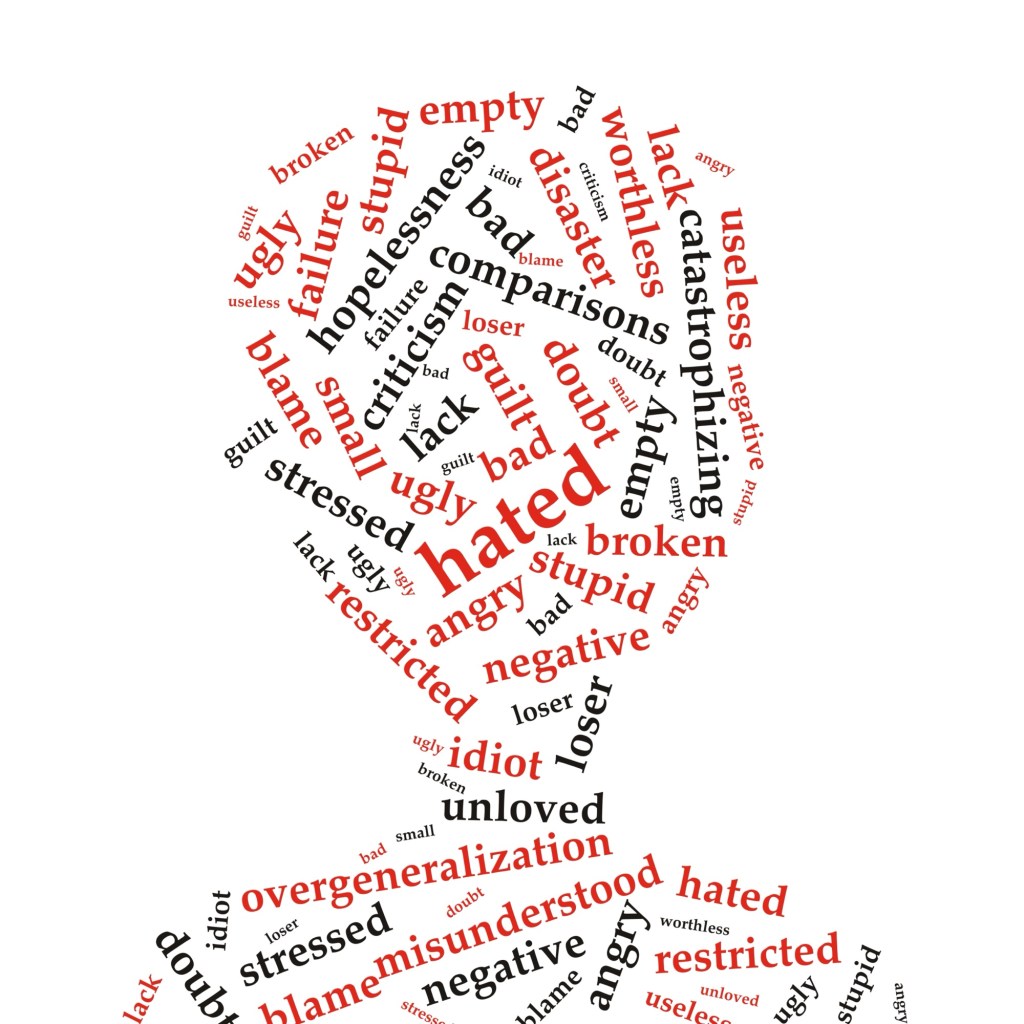
Recognizing the negative words and phrases is the first step in changing your self-dialogue.
Understanding Automatic Negative Thoughts
When we encounter stressful situations or moments of self-doubt, our minds often replay familiar tapes of self-criticism and negativity. These automatic negative thoughts (ANTs) can become deeply ingrained, influencing our self-esteem and overall mental health. It’s essential to become mindful of these patterns and work towards replacing them with positive and supportive affirmations.
Tips to Stop Self-Destructive Inner Dialogue
1. Awareness and Mindfulness: The first step in combating negative self-dialogue is becoming aware of it. Practice mindfulness by observing your thoughts without judgment. Notice when your inner voice turns critical and acknowledge it.
2. Challenge Negative Thoughts: Once you’re aware of negative thoughts, challenge their validity. Ask yourself if there’s evidence to support these beliefs or if they’re based on irrational fears. Reframe these thoughts with more balanced and positive perspectives.
3. Replace with Positive Affirmations: Develop a list of positive affirmations that resonate with you. These can be simple statements like “I am capable,” “I am deserving of happiness,” or “I am enough.” Repeat these affirmations daily, especially when negative thoughts arise.
4. Practice Self-Compassion: Treat yourself with the same kindness and understanding that you would offer to a friend. Recognize that everyone makes mistakes and experiences setbacks. Self-compassion helps cultivate a more forgiving and supportive inner dialogue.
5. Visualize Success: Visualization can be a powerful tool in shifting your mindset. Picture yourself succeeding in your endeavors and experiencing positive outcomes. This mental rehearsal can help build confidence and reduce self-doubt.
6. Surround Yourself with Positivity: The environment and people you surround yourself with can significantly impact your self-dialogue. Seek out supportive relationships and create an environment that fosters positivity and growth.
7. Limit Exposure to Negative Influences: Reduce the time you spend consuming negative media or engaging with toxic individuals. Instead, focus on activities and content that uplift and inspire you.
Creating a positive and supportive inner dialogue takes time and practice, but the rewards are well worth the effort. By becoming mindful of the things we tell ourselves and actively working to replace negative thoughts with affirmations, we can transform our mindset and build resilience. Remember, you have the power to rewrite the narrative in your mind and embrace a more compassionate and empowering self-dialogue.
Positive self-dialogue is not about ignoring challenges or setbacks but about approaching them with a constructive and hopeful mindset. It’s about nurturing a voice that encourages growth, resilience, and self-love. By adopting these strategies, you can stop the tapes of negativity and create a more supportive and affirming inner dialogue.
Embrace the journey towards a healthier and more positive self-dialogue, and watch as it transforms your life and well-being.
 Pebble 4 Change
Leave a comment